
MEMORY CARE
Connected awareness for a calmer memory care setting
Bring wander management solutions, bed-exit alerts, caregiver communication, and staff assist into a coordinated response. DCC supports a less institutional environment while helping teams stay aware of the residents and spaces that need attention.

DESIGNED AROUND MEMORY CARE
Support dignity and a timely human response
A resident may not always remember to press a call button or explain what they need. Memory care calls for a combination of accessible call points, selected monitoring devices, protected-door awareness, and a clear staff response plan. Configure that mix around the individual and the environment.
EVERYDAY CARE
Know where residents are, and when they need you
In memory care, residents may not call for help themselves. Exits, beds and movement often tell staff more than a call button does.
Get alerts at protected exits
Accutech ResidentGuard detects a resident tag near a protected exit. Connect the door alarm to the response workflow so staff can attend and support the resident. Plan escort and optional door-control arrangements for the site.
Bring bed-exit events to staff
Fall Fighter monitors can send bed, chair, or floor pad events into DCC. This supports staff awareness when a resident gets up, including when the resident has not pressed a call button.
Keep communication personal
Voice call-back can help a caregiver offer familiar reassurance through a supported room endpoint when it suits the resident. Staff-to-staff communication and fixed staff-assist buttons help coordinate an in-person response.
HARDWARE THAT FITS
Practical choices for memory care
Select devices around the room, the resident, and the response you want to support. These are useful starting points for a site-specific design.
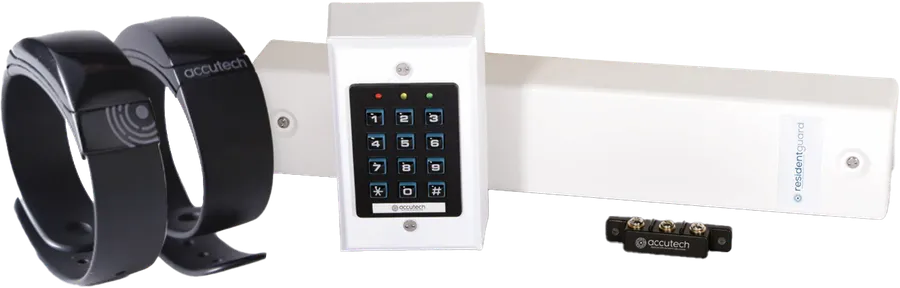
Accutech ResidentGuard
Resident tags and protected-door equipment support exit awareness. Define monitored doors and staff escort workflows alongside any optional door-control equipment.
View product options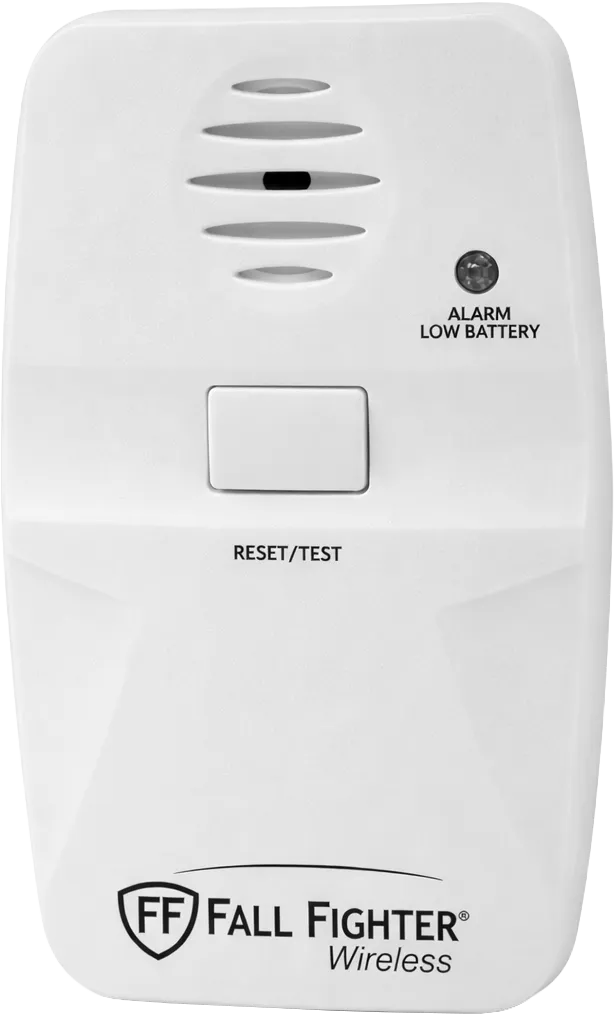
Fall Pad Monitor
Choose bed, chair or floor pads to suit each room and each resident’s support plan. Available wired or wireless.
View product options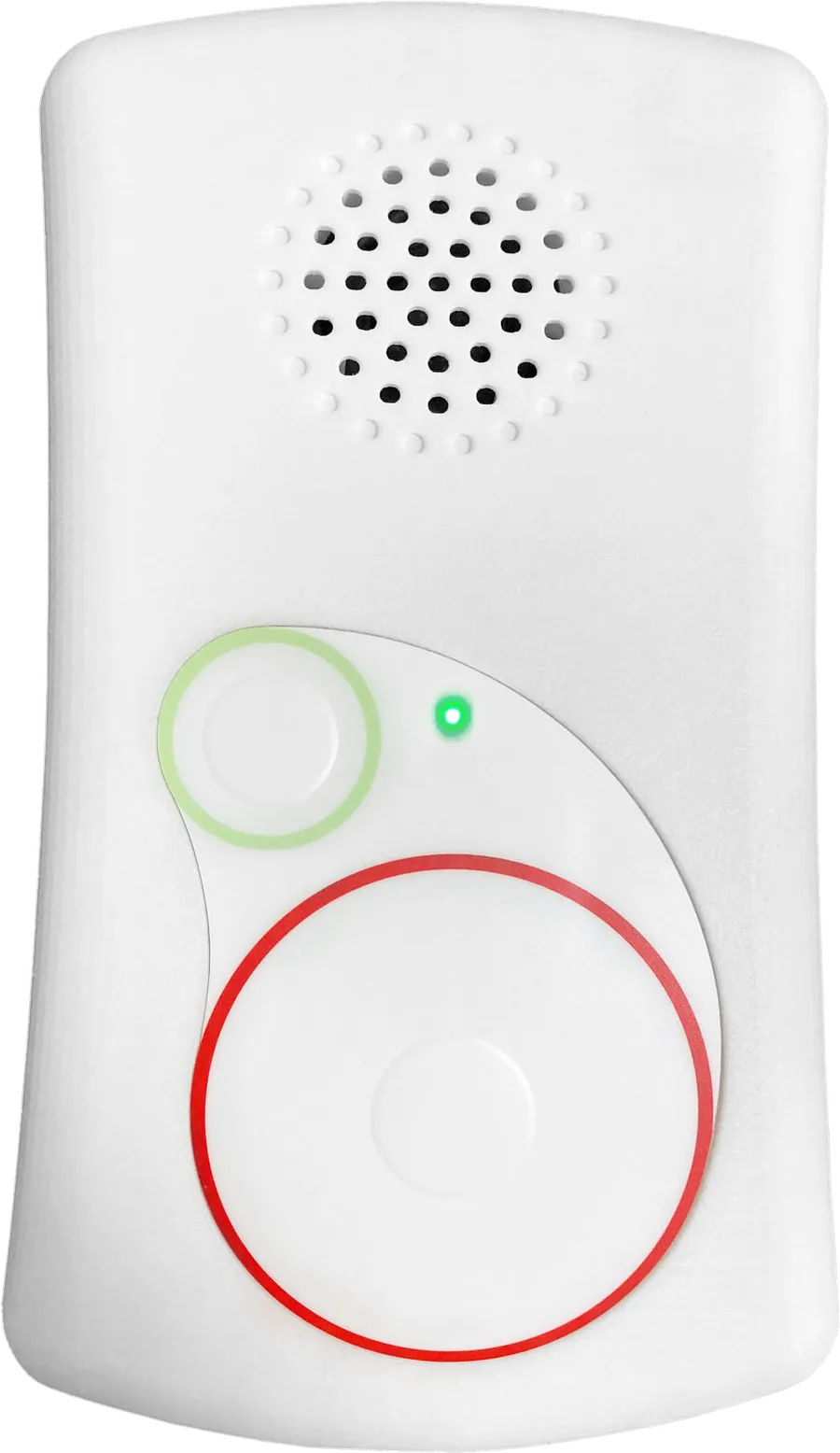
Communication Hub
Provide two-way voice and configurable staff assist at the point of care, with call cord inputs where bedside calling is suitable.
View product options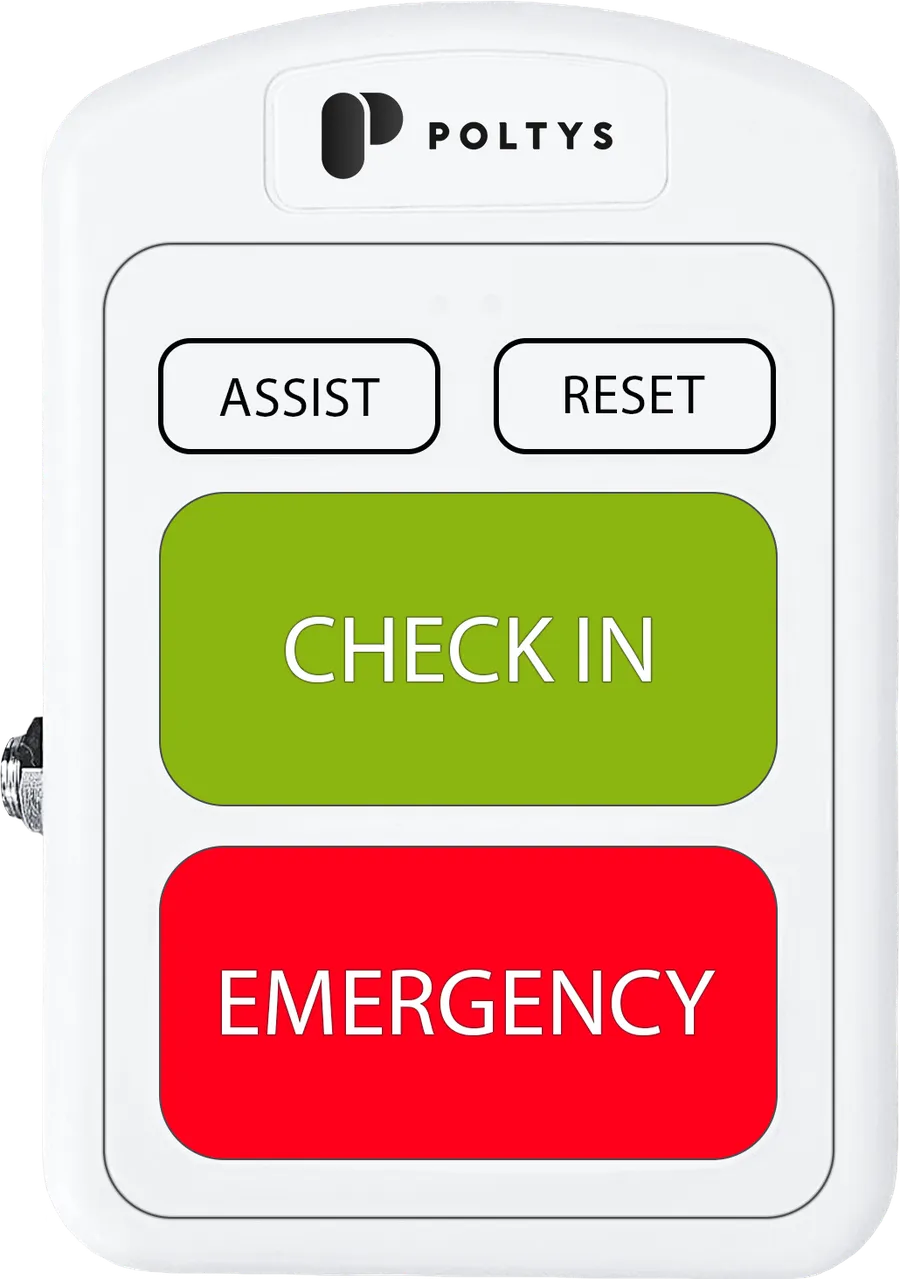
Multicall Station
Give staff a fixed assistance button in resident spaces, alongside resident call and pull cord functions. Configure the station for the workflows used on the unit.
View product options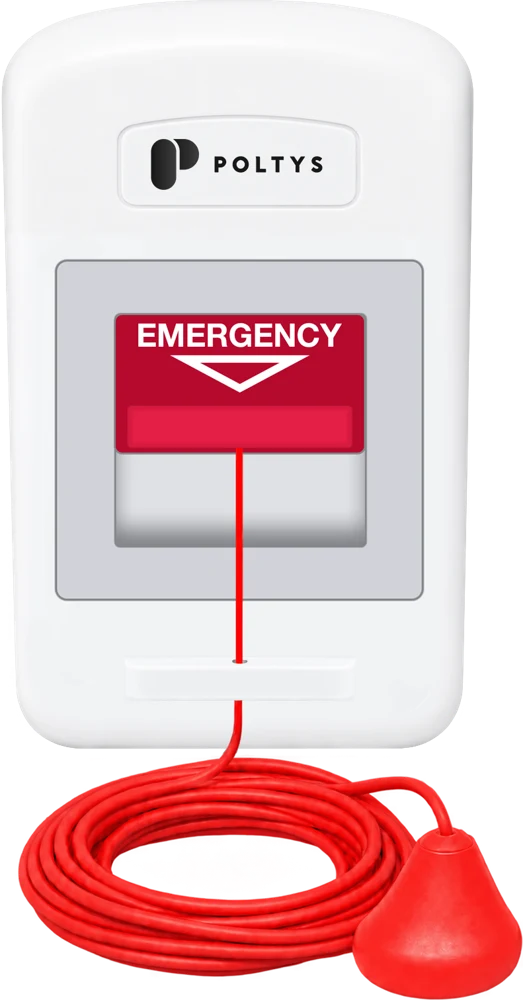
Pull Cord Stations
Keep fixed calls available in washrooms and common areas. Position devices around the resident’s abilities and the way staff support the space.
View product options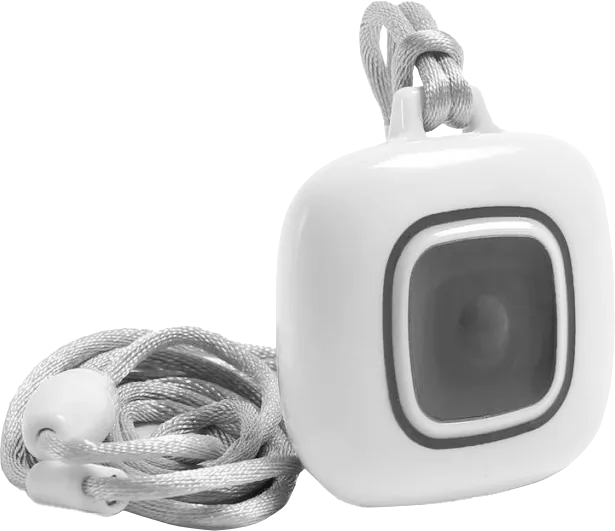
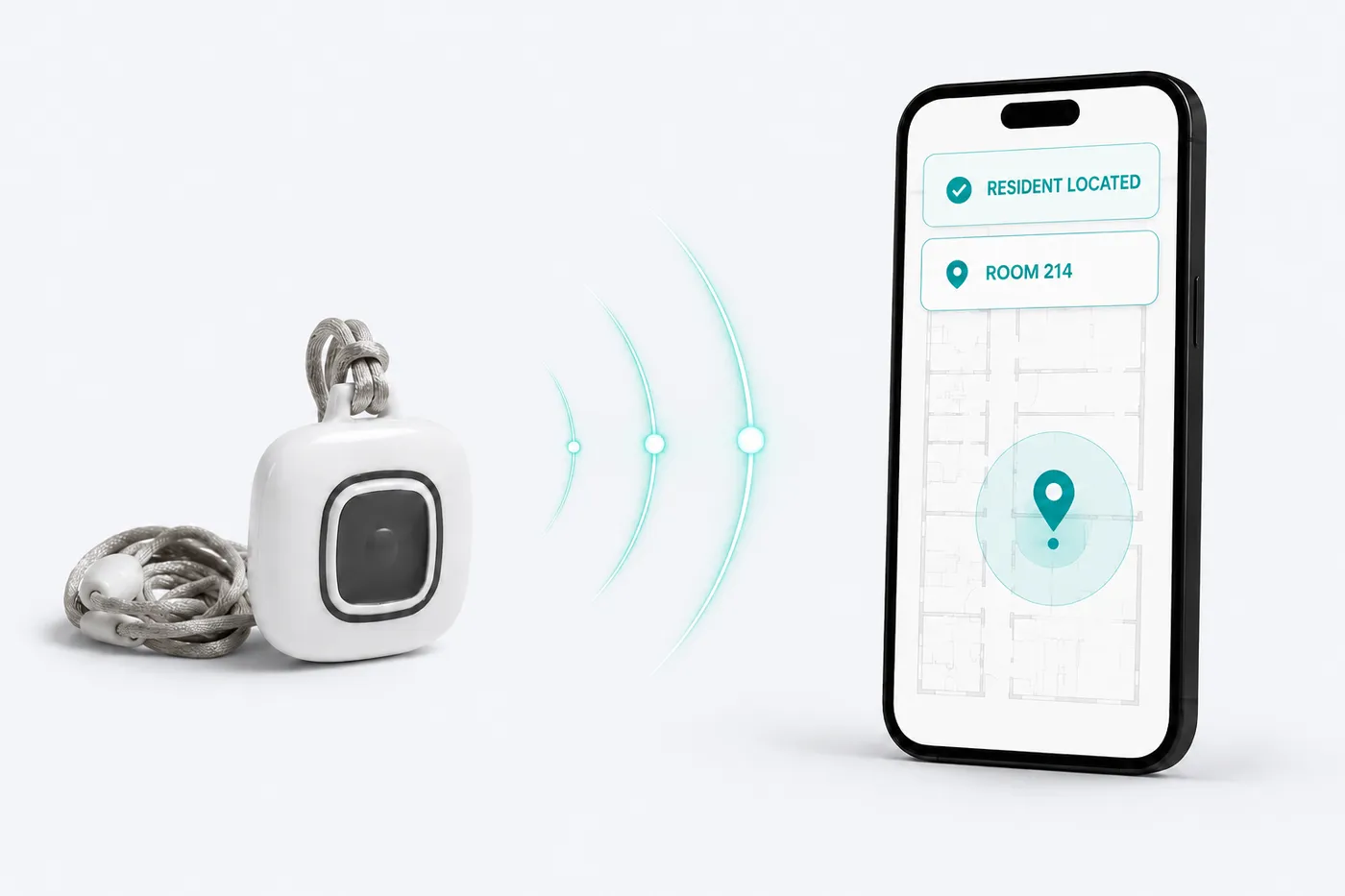
Location-capable Pendants
Where suitable, location-capable wearables and the required infrastructure add location context. Plan this separately from protected-door tag detection.
View product optionsBed-exit monitoring reports pad events when a resident rises or steps onto a floor pad. It is distinct from detecting a fall and supports, rather than replaces, caregiver supervision.
IN PRACTICE
Protected doors and location awareness serve different needs
A wander-management door event tells staff that a protected exit needs attention. Broader resident location requires supported location devices and infrastructure. Plan both deliberately: a door alarm alone should not be presented as continuous individual tracking.
Choose the monitored doors, resident devices, and response workflow together. The integration and available event detail depend on the selected equipment.
TEAM & OVERSIGHT
Respond calmly, without adding noise
Loud alarms can unsettle residents. Direct each alert to the right caregiver and keep a clear record for families and review.
Direct attention without broadcasting it
Send alerts to the responsible care team and escalate as needed. Discreet notifications can reduce unnecessary noise while retaining local indications required by the site’s response plan.
Keep assistance within reach
Multicall and Communication Hub stations let caregivers request support during room-based care. Wearable staff devices provide another route to assistance as the team moves around.
Explore staff safetyReview events in context
Review door events, bed-exit alerts, call histories, and recorded care activity. Use compatible monitoring data where selected to inform staff discussions and individual care planning.
Recorded care time reflects the configured workflow; it is not independent confirmation of bedside presence. Features depend on the selected equipment and configuration.
YOUR BUILDING. YOUR STARTING POINT.
Planned around the living space
Wireless devices are often chosen for memory care retrofits and new builds because call points and monitoring can be planned around the living space. Wired connections remain an option where appropriate. Review coverage, door equipment, room layouts, and staff communication as one design.
Full system installation
Plan the DCC server, software, call points, and staff communication for a new build or complete replacement.
Explore deployment optionsSystem upgrade
Connect DCC to a compatible existing nurse call system and retain suitable equipment while adding communication and reporting.
Explore deployment optionsServer takeover
Replace the server behind a compatible EchoStream system and retain suitable installed transmitters and pendants after a compatibility review.
Explore deployment optionsPLAN YOUR COMMUNITY
Plan a coordinated memory care response
Walk through your protected exits, shared spaces, resident rooms, and staffing pattern with us. We will help connect monitoring choices with practical caregiver workflows.